In today’s fast-changing industrial world, companies are looking for professionals who are not only academically qualified but also possess practical knowledge, technical skills, and problem-solving abilities. Polytechnic education plays an important role in preparing students for these industry demands. Institutions like Kanchan Group of Institute focus on technical learning, practical exposure, and skill development to help students become industry-ready engineers.
Understanding Polytechnic Education
Polytechnic education is designed to provide students with technical and vocational training in various engineering fields such as Civil Engineering, Mechanical Engineering, Electrical Engineering, Computer Science, and related disciplines. Unlike traditional academic programs that mainly focus on theory, polytechnic courses emphasize practical learning and hands-on experience.
Students gain technical knowledge while working on real projects, laboratory activities, workshops, and industrial training programs.
Practical Learning Creates Strong Technical Foundations
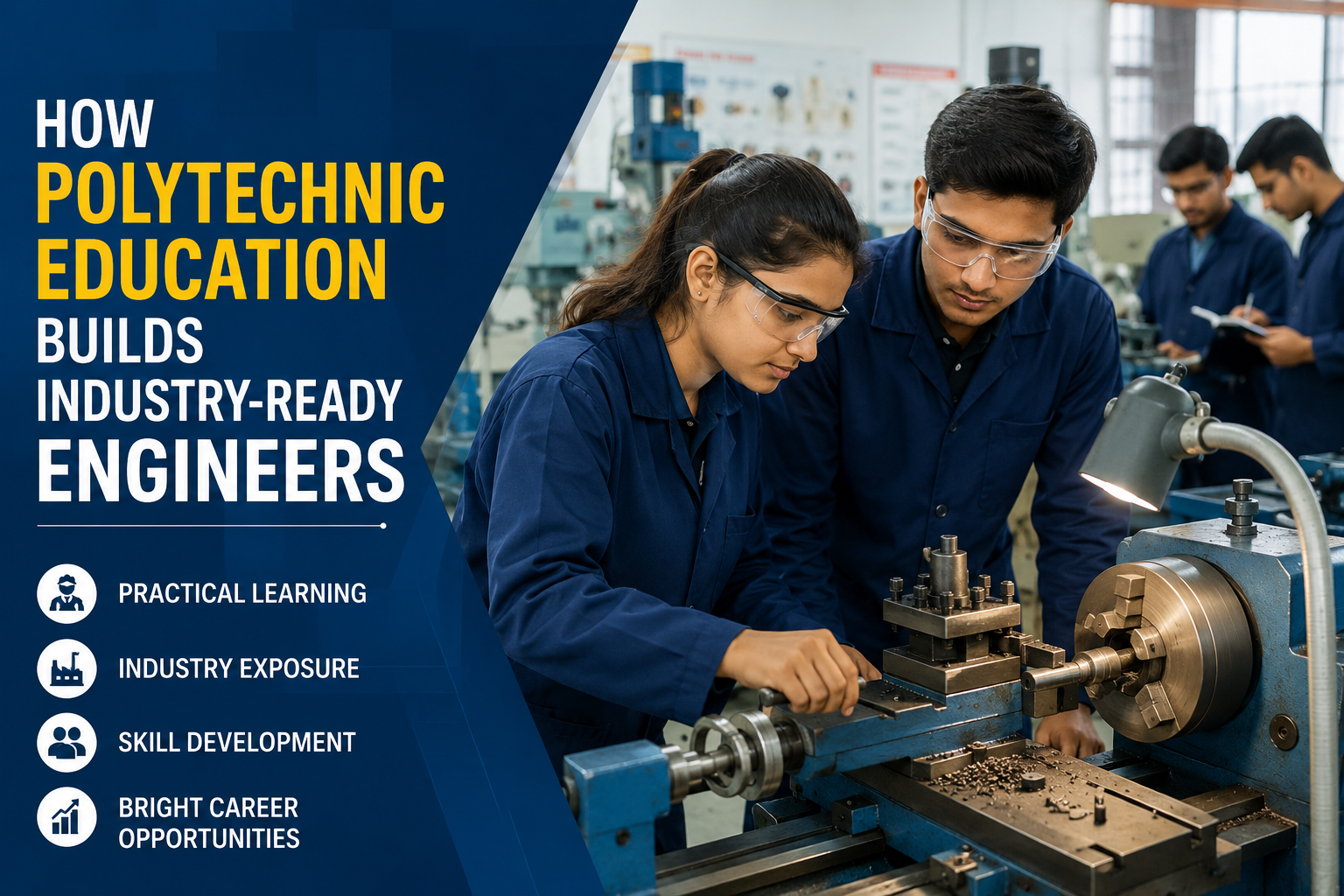
One of the biggest advantages of polytechnic education is its practical approach. Students spend significant time in laboratories, workshops, and technical training sessions where they learn how engineering concepts work in real-life situations.
At Kanchan Group of Institute, practical education helps students understand machinery, equipment handling, design principles, electrical systems, and industrial processes. This hands-on learning develops confidence and prepares students for workplace challenges.
Industry-Oriented Curriculum
Modern industries require skilled professionals who can adapt to new technologies and work environments. Polytechnic programs are designed to meet these requirements by offering industry-focused subjects and updated technical training.
The curriculum includes:
- Engineering fundamentals
- Technical drawing and design
- Industrial practices
- Computer applications
- Workshop training
- Project-based learning
- Safety and quality management
This balanced learning system ensures students are prepared for engineering roles immediately after completing their diploma programs.
Skill Development Beyond the Classroom
Technical knowledge alone is not enough for career success. Industries also expect communication skills, teamwork abilities, leadership qualities, and problem-solving capabilities.
Polytechnic institutions help students develop:
- Communication and presentation skills
- Team collaboration
- Time management
- Critical thinking
- Professional ethics
- Technical documentation abilities
These skills improve employability and prepare students for professional environments.
Industrial Training and Real-World Exposure
Industrial visits and training programs provide students with direct exposure to manufacturing units, construction sites, production facilities, and technical organizations.
Students get opportunities to observe:
- Industrial machinery operations
- Production systems
- Quality control methods
- Maintenance procedures
- Engineering management practices
Such experiences bridge the gap between classroom learning and industry expectations.
Better Career Opportunities for Polytechnic Students
Polytechnic graduates have multiple career pathways available after completing their diploma education. Students may choose:
Employment Opportunities
- Junior Engineer positions
- Technical Assistant roles
- Production Supervisor jobs
- Maintenance Engineer support roles
- Quality Control departments
- Construction and infrastructure projects
Higher Education Options
Students can also continue their education through lateral entry programs into B.Tech and advanced engineering studies.
This flexibility makes polytechnic education a strong career option for students after Class 10 and Class 12.
Technology-Based Learning Environment
Modern engineering education requires updated facilities and digital learning methods. Technical institutes are increasingly adopting smart classrooms, computer labs, simulation tools, and advanced workshop equipment.
At Kanchan Group of Institute, students receive exposure to technical learning environments that support practical understanding and innovation.
Building Future Engineers Through Polytechnic Education
Polytechnic education is more than earning a diploma—it is about developing technical expertise, professional skills, and industry readiness. Through practical learning, industrial exposure, and skill development, students become prepared to enter the engineering workforce confidently.
Kanchan Group of Institute continues to contribute toward technical education by helping students build strong engineering foundations and career-focused skills for future success.
As industries continue to evolve, the demand for technically skilled professionals is increasing rapidly. Polytechnic education provides the perfect platform for students to gain practical knowledge, industry exposure, and engineering expertise.
For students aiming to build successful technical careers, institutions like Kanchan Group of Institute offer opportunities to learn, grow, and become industry-ready engineers.
-
Tags:Best Polytechnic CollegeCareer OpportunitiesDiploma EngineeringEngineering CoursesEngineering DiplomaIndustrial TrainingIndustry-Ready EngineersKanchan Group of InstitutePolytechnic College Uttar PradeshPolytechnic EducationPractical LearningSkill developmentStudent Career GrowthTechnical EducationTechnical Skills