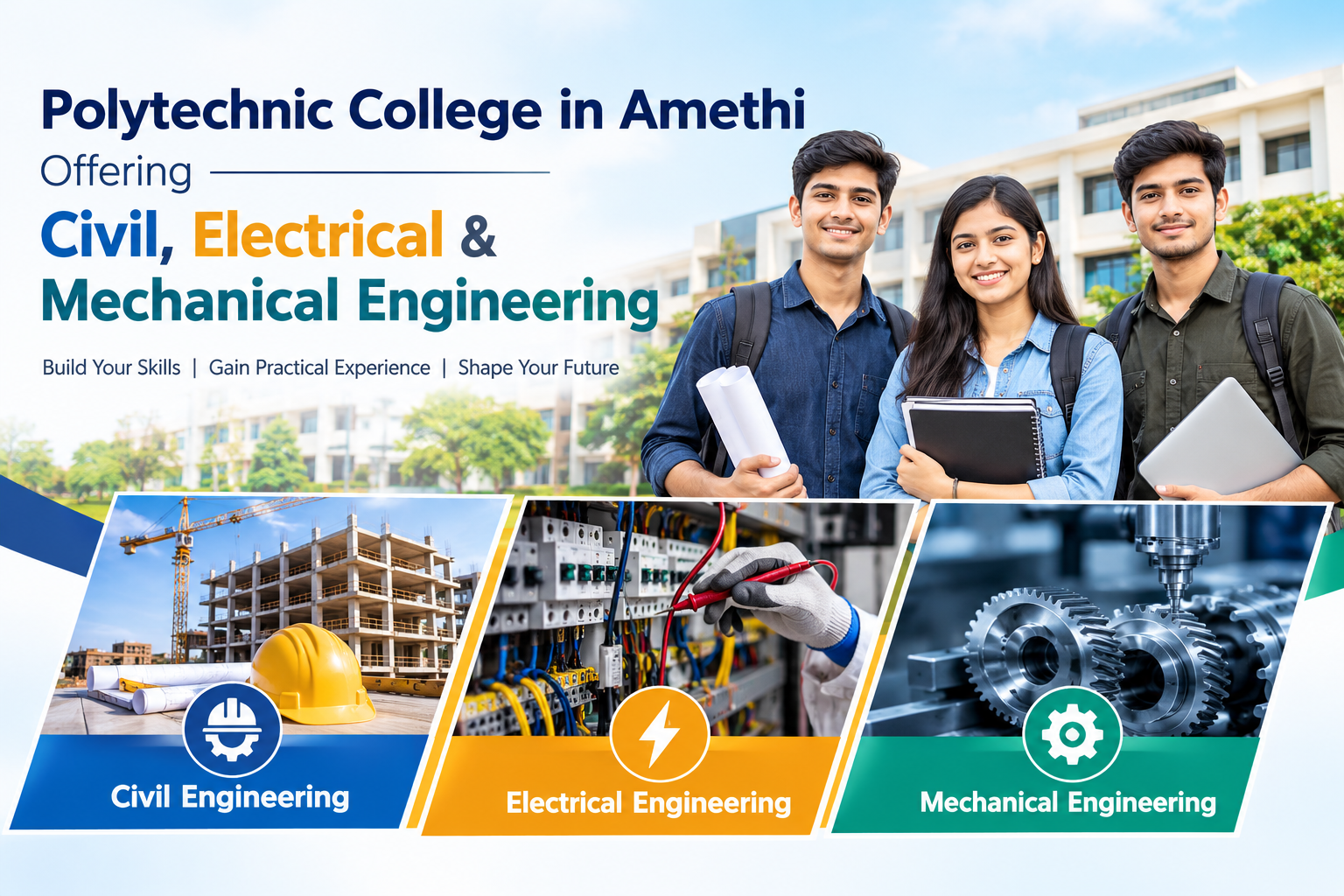
For students who wish to pursue careers in the technical and industrial sectors, selecting the appropriate engineering course after Class 10 is crucial. Students that have a polytechnic education are better able to comprehend engineering principles and acquire practical skills and technical knowledge.
To learn about various engineering specialities and career options, students interested in mechanical, electrical, or civil engineering can investigate diploma programs.To learn about various engineering specialities and career options, students interested in mechanical, electrical, or civil engineering can investigate diploma programs.
Kanchan Group of Institutions aims to support students through educational opportunities and career-focused learning. Students should check the institution’s current course details and admission requirements before applying.
What Is a Polytechnic Course?
A Polytechnic course is a technical diploma program that introduces students to engineering principles, practical training, and industry-related skills. Diploma programs can help students develop a foundation in a particular engineering discipline.
Students who complete the required educational qualifications can explore engineering diploma programs based on their interests and applicable admission rules.
Some popular engineering diploma fields include:
- Civil Engineering
- Electrical Engineering
- Mechanical Engineering
- Computer Science Engineering
- Electronics Engineering
The course structure, duration, eligibility requirements, and available specializations depend on the institution and applicable regulations.
Civil Engineering Diploma Course
Civil Engineering is an engineering field related to the planning, construction, and maintenance of infrastructure. It includes areas such as buildings, roads, bridges, surveying, and construction materials.
What Do Students Learn in Civil Engineering?
A Civil Engineering diploma may cover topics such as:
- Engineering drawing
- Surveying
- Construction technology
- Building materials
- Structural fundamentals
- Soil and foundation concepts
- Construction project practices
Students can develop knowledge of construction methods and engineering principles through their coursework and practical activities.
Career Opportunities After Civil Engineering
After completing a Civil Engineering diploma, students may explore entry-level opportunities such as:
- Civil engineering technician
- Site supervisor
- Surveying assistant
- Construction-related technical roles
- Further engineering education
Career opportunities depend on qualifications, practical experience, employer requirements, and applicable regulations.
Electrical Engineering Diploma Course
Electrical Engineering focuses on electrical systems, power, circuits, and equipment. It is relevant to students who are interested in electricity, electrical maintenance, industrial systems, and power-related technologies.
What Do Students Learn in Electrical Engineering?
An Electrical Engineering diploma may include:
- Basic electrical engineering
- Electrical circuits
- Electrical machines
- Power systems
- Electrical measurements
- Control systems
- Electrical safety
These subjects introduce students to the fundamentals of electrical engineering and help them understand technical applications.
Career Opportunities After Electrical Engineering
Students completing an Electrical Engineering diploma may explore career paths such as:
- Electrical technician
- Maintenance technician
- Electrical systems assistant
- Industrial electrical support roles
- Further technical education
Practical training and technical knowledge can help students understand the requirements of electrical and industrial workplaces.
Mechanical Engineering Diploma Course
Mechanical Engineering is a broad engineering discipline associated with machines, manufacturing, mechanical systems, and production processes. It can be suitable for students who enjoy learning about machinery, design, and technical problem-solving.
What Do Students Learn in Mechanical Engineering?
Depending on the specialization, students may study:
- Engineering drawing
- Workshop practices
- Manufacturing processes
- Machine fundamentals
- Automobile systems
- Computer-aided design
- Production and quality concepts
The subjects vary by program, so prospective students should review the official syllabus for their chosen specialization.
Career Opportunities After Mechanical Engineering
Mechanical Engineering diploma graduates may explore roles such as:
- Mechanical technician
- Production assistant
- CAD design trainee
- Automobile service technician
- Quality control assistant
Career progression depends on the chosen specialization, technical skills, experience, and additional qualifications.
Why Choose a Polytechnic Engineering Course?
Polytechnic education can provide students with an early introduction to technical subjects and engineering practices. Before selecting a course, students should consider their interests, eligibility, career goals, and the institution’s approved curriculum.
1. Technical Knowledge
Engineering diploma programs introduce students to subject-specific concepts and technical terminology.
2. Practical Learning
Workshops, laboratory activities, engineering drawings, and practical assignments can support the development of technical skills, where included in the course curriculum.
3. Multiple Engineering Fields
Students can explore different branches, including Civil, Electrical, and Mechanical Engineering, and compare their subject areas and potential career directions.
4. Further Education
Depending on the applicable rules and qualifications, diploma holders may explore further studies, including lateral-entry pathways where available.
Polytechnic Admission Eligibility
Admission eligibility depends on the specific course, institution, regulatory requirements, and admission route. Students should not rely on a general eligibility statement without confirming the current official requirements.
Before applying, students should check:
- Required educational qualification
- Minimum marks, if applicable
- Entrance examination requirements
- Admission dates
- Required documents
- Course availability
- Fee structure
Students interested in Polytechnic admission should contact Kanchan Group of Institutions to confirm current admission requirements and course availability.
How to Choose the Right Engineering Diploma?
Selecting an engineering branch is easier when students understand the main subject areas and their own interests.
| Engineering Branch | Suitable Interest Areas |
|---|---|
| Civil Engineering | Construction, infrastructure, surveying |
| Electrical Engineering | Electrical systems, circuits, power |
| Mechanical Engineering | Machinery, manufacturing, design |
| Mechanical CAD/CAM | Technical drawing and computer-aided design |
These are broad subject-area descriptions, not guarantees of employment or career outcomes.
Why Consider Kanchan Group of Institutions?
Kanchan Group of Institutions offers educational opportunities for students interested in building their academic and technical knowledge. Students exploring Polytechnic education can learn about available engineering branches, admission requirements, and course structures before choosing a program.
Civil Engineering, Electrical Engineering, and Mechanical Engineering provide different areas of study. Students should compare their interests with the subjects, practical learning opportunities, and career paths associated with each course.
A Polytechnic diploma can help students build foundational knowledge in engineering and explore technical career paths. Civil Engineering, Electrical Engineering, and Mechanical Engineering offer different areas of study, so students should choose a course based on their interests, eligibility, and future education goals.
Kanchan Group of Institutions can be explored by students seeking information about technical education and diploma engineering courses. Prospective students should confirm the latest course details and admission information directly with the institution.
Start exploring engineering education options and plan your technical career with the right course and academic guidance.